


The fastest way to make damaged hair look and behave healthier is a consistent bond-repair and hydration routine, not a single miracle product. Start with a molecular repair treatment like QAI’s covalent grafting polypeptide system, add weekly deep conditioning, and trim split ends now because no formula reattaches a hair shaft once it splits. Expect noticeably better manageability within a few weeks and real structural change over two to three months.
TL;DR:
Bond-repair leave-in treatments should be used daily for breakage-prone hair, with over-the-counter options costing around $30 to $50.
Reconstructing masques are most effective when used weekly on dry, over-processed, or color-treated hair, typically costing $35 to $60.
Regularly using a repair shampoo during every wash is crucial, as it preserves the internal bonds rebuilt by other products and generally costs $25 to $40.
Testing hair porosity, elasticity, and split ends can guide product choice, with low porosity hair favoring hydration and high porosity needing protein-based repair.
Professional in-salon bond treatments improve structural damage in severe cases, costing $75 to $200 per session, often requiring multiple visits.
What Is the Best Hair Repair System for Your Damage?
Damaged hair rarely has one cause, so the best hair repair strategy usually combines more than one product category. Bond-building treatments target the internal disulfide and hydrogen bonds inside the cortex, while masks and serums work mostly on the cuticle surface for immediate shine and softness. Both matter, but they solve different problems, and confusing them is the single biggest reason people feel like they’re “trying everything” without seeing results.
Here’s how the categories break down and where each one earns its place in a routine.
Leave-in molecular bond repair. This is the workhorse for chemically or heat-damaged hair, applied to damp strands before styling. It’s designed to stay in the hair and continue working between washes rather than rinsing away. QAI Tiger Reconstruct fits this role well: it’s built to reinforce the internal structure QAI targets through its covalent grafting technology, rather than just coating the strand. Expect to pay roughly $30 to $50 for a leave-in of this caliber, and reach for it when breakage, not just dullness, is the complaint.
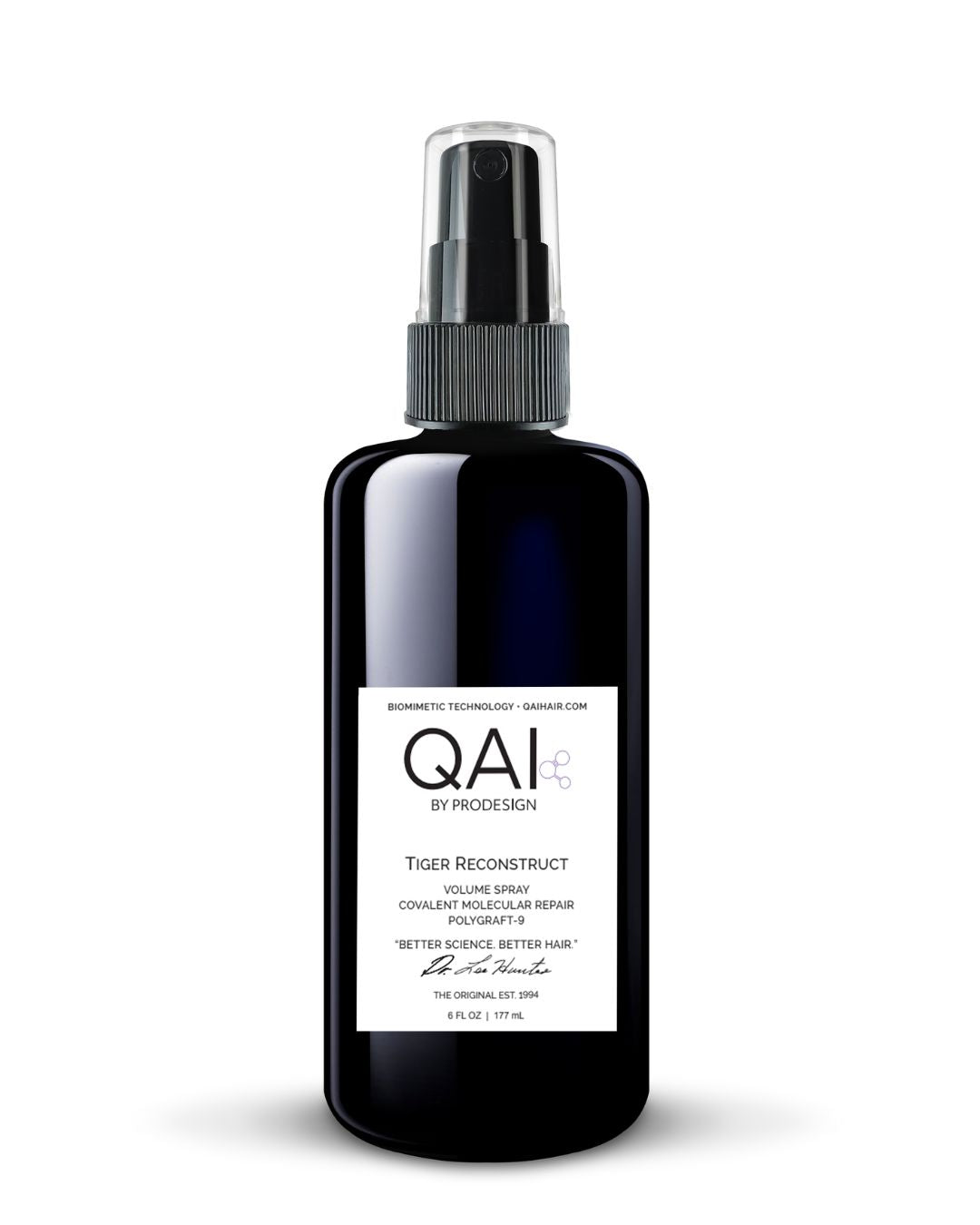
Reconstructing masque (rinse-off, weekly). Masques deliver a concentrated dose of repair actives during a longer contact time, usually five to fifteen minutes. QAI Tiger Reconstructor Masque is formulated for this weekly deep-repair slot, aimed at hair that’s dry, over-processed, or recovering from color services. Reconstructing masques in this tier typically run $35 to $60 and are worth prioritizing over a cheap conditioner if your hair snaps rather than stretches.
In-shower repair shampoo. A repair-focused cleanser matters more than most people assume, because a stripping shampoo can undo the work of every other product in your routine. QAI Tiger Reconstructing Shampoo is designed to cleanse while reinforcing strand structure rather than just removing buildup, which makes it the logical daily-use anchor for the whole system. Shampoos at this level generally cost $25 to $40.
Overnight serums and leave-on treatments. These are lighter-weight formulas meant for extended contact, often eight hours or more, and they suit hair that needs ongoing hydration support without heavy buildup. Bond-repair products target internal hair bonds and can deliver deeper restoration over repeated use, while masks and serums provide faster surface-level shine and softness, which is exactly why pairing a bond builder with a lighter overnight step covers both timelines at once.
Heat protectants. Non-negotiable if you use hot tools at all. A protectant won’t repair anything, but skipping it while doing repair work elsewhere is like patching a tire while still driving over nails.
Salon bond and reconstructing treatments. For color-damaged or chemically treated hair, professional-strength formulas like Tiger Controlled Effects Normal/Resistant Formula and Tiger Controlled Effects Tinted/Bleached give stylists a way to correct porosity imbalance and lock in color at a concentration you can’t safely apply at home. These sit in professional pricing tiers, generally $75 to $200 per session depending on hair length and damage severity.
-
Leave-in bond repair: used regularly, for breakage-prone hair
-
Reconstructing masque: once a week, for dry or over-processed hair
-
Repair shampoo: every wash, as the routine’s foundation
-
Overnight serum: a few nights per week, for ongoing hydration
-
Heat protectant: every time you use hot tools
-
Salon bond/keratin service: every month or two, for chemically treated or bleached hair
How Do You Choose the Right Repair Treatment for Your Damage?
Guessing which product to buy is how people end up with a bathroom shelf full of half-used bottles. Three quick tests tell you almost everything you need to know before you spend a dollar.
-
Porosity float test. Drop a clean strand of shed hair into a glass of water. If it sinks fast, your cuticle is likely raised and porous, which usually means you need protein-forward bond repair. If it floats, your hair may be low porosity and more prone to product buildup, so lean toward lightweight hydration instead.
-
Stretch and elasticity test. Take a damp strand and gently stretch it. Healthy hair stretches slightly and springs back. Hair that stretches far and doesn’t recover, or that snaps immediately, has compromised internal bonds and needs a bond-repair product before anything else.
-
Tactile split-end check. Run a strand between two fingers from root to tip. If you feel a rough, thickened point near the end, that’s a split, and no leave-in or masque will fuse it shut. The only fix is a trim.
Use those results to pick a lane. If hair fails the stretch test, prioritize bond repair over a moisture mask, since bond-building treatments restore strength and manageability over repeated use while surface masks are more cosmetic. If hair feels rough and dry but still has decent elasticity, a hydrating masque and lighter routine will likely do more good than a protein-heavy one. If breakage is severe, widespread, or came on suddenly, that’s a sign to see a stylist rather than self-treat, since a professional diagnosis can catch porosity or cuticle damage that’s easy to miss at home.
Frequency matters as much as product choice. Bond-repair leave-ins can generally be used daily. Reconstructing masques work best once a week. Protein treatments need real restraint. Overusing protein can stiffen hair and increase breakage in some hair types, so stylists typically recommend spacing protein sessions two to four weeks apart and re-checking the stretch test before repeating one.
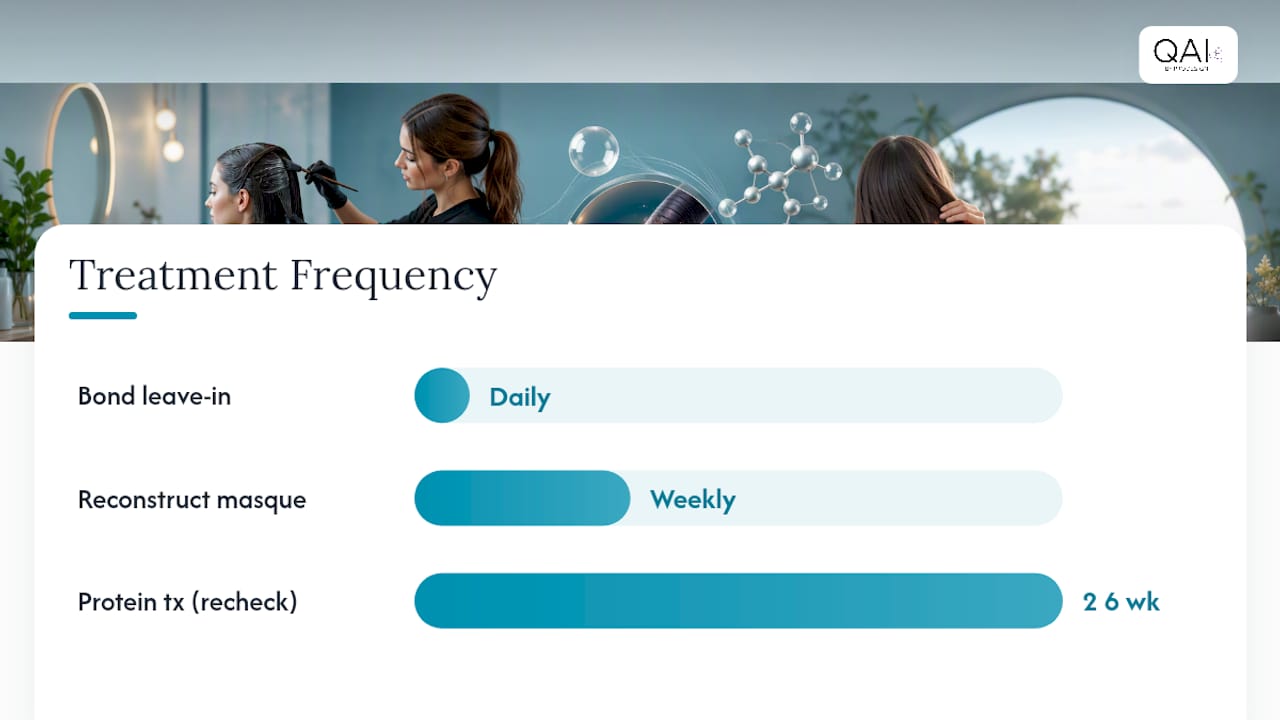
Pro Tip: If your hair fails the stretch test but feels coated or waxy, don’t add more protein. Clarify first with your repair shampoo, then reassess. Buildup can mimic protein overload and lead you to the wrong fix.
What Do Repair Products Actually Do, and How Should You Layer Them?
Every category in a repair routine has a distinct job, and understanding the difference keeps you from wasting product or working against yourself.
Leave-in bond-repair treatments work at the molecular level inside the cortex, reinforcing the internal architecture that heat, bleach, and mechanical stress break down. Rinse-off reconstructing masques deliver a higher concentration of repair and hydrating actives during a set contact window, then wash away, leaving behind conditioning benefits without ongoing weight. Overnight serums trade concentration for duration, working slowly over hours rather than minutes. Heat protectants don’t repair anything; they form a barrier that limits new damage. In-salon bond and keratin services use professional-strength formulas and tools to correct issues, like uneven porosity, that are hard to fix with retail products alone.
The order matters. On wash day, apply products from thinnest to thickest, or from the ones needing rinse contact to those meant to stay in: shampoo, rinse-off masque, then leave-in bond treatment on damp hair, followed by a heat protectant only if you’re styling with hot tools. Layering a heavy serum under a leave-in almost always backfires, since the leave-in can’t distribute evenly over already-saturated strands, and hair ends up weighed down instead of strengthened.
Mild damage (some dryness, occasional frizz, ends feel slightly rough): repair shampoo every wash, leave-in bond treatment two to three times weekly, reconstructing masque every other week, heat protectant whenever styling.
Moderate damage (regular breakage, dullness, some elasticity loss on the stretch test): repair shampoo every wash, leave-in bond treatment daily, reconstructing masque weekly, heat protectant every time, and a protein check every three to four weeks.
Severe damage (chemically over-processed, bleached, snapping rather than stretching): repair shampoo every wash, leave-in bond treatment daily, reconstructing masque weekly, a targeted treatment like QAI Tiger Reconstruct layered in for intensive sessions, professional bond service every four to six weeks, and heat styling minimized until elasticity improves.
-
Wet-to-dry order: cleanse, rinse-off treatment, leave-in, protectant
-
Never stack two protein-heavy products in the same session
-
Skip daily leave-in on days you’ve already used a masque; there’s no benefit to doubling up
-
Clarify monthly if you notice dullness returning despite consistent product use
Timelines matter more than most product labels admit. Testers using consistent bond-repair and strengthening routines reported manageability gains within four to eight weeks, with structural improvement continuing over several months of sustained use. That window holds whether you’re using at-home products or supplementing with periodic salon visits, and it’s worth writing on your bathroom mirror if you’re the type to give up on a routine after two weeks because “nothing changed.”
Why QAI’s Covalent Grafting Polypeptide Matters for Real Repair
Most conditioning ingredients work by sitting on the hair’s surface, forming a temporary film that smooths the cuticle and washes away over a few cycles. QAI’s approach, detailed in the brand’s technical explanation of its covalent grafting technology, targets something different: the internal architecture of the strand itself. The PolyGraft-9 Complex is formulated as a reactive polypeptide designed to form durable attachments inside the cortex rather than a coating that rinses off.
Covalent grafting polypeptides are engineered to form stronger molecular attachments inside the hair cortex compared with surface silicones, an approach intended to preserve elasticity and reduce breakage when the formula is built to actually penetrate the cortex rather than sit on top of it.
Dr. Lee Hunter, Grandfather of QAI Hair founder Kollin Gessler; came up with the Polygraft-9 technology after 37 years in personal care leadership at companies including Clairol and Redken. The system is built around addressing damage at three structural layers rather than one surface layer. That kind of R&D depth is why the technology is worth taking seriously instead of filing it under typical marketing claims.
None of this means molecular repair is magic. It rebuilds internal strength and improves elasticity, but it cannot fuse a split end back together; that limitation is physical, not a formulation gap, and it holds true across every hair repair system on the market. The practical move is to fit a covalent grafting product into the routines above, generally as the daily leave-in or weekly masque step, and pair it with the trim your stylist has probably already mentioned twice.
The Hair Repair Mistakes Stylists See Every Week
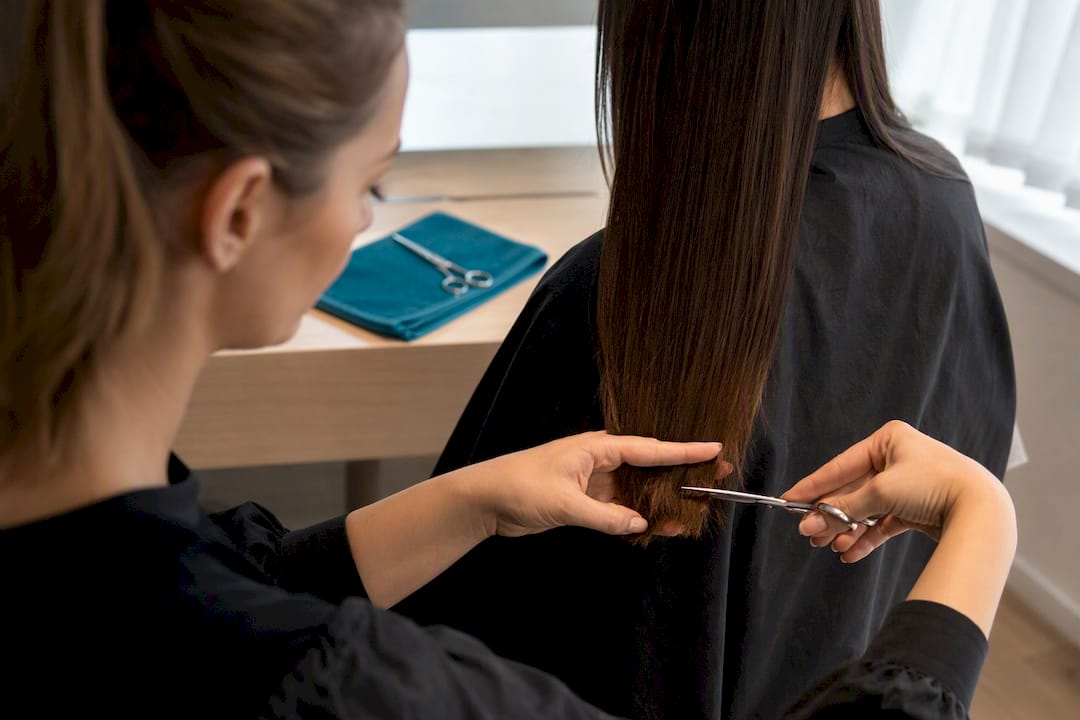
The single most common mistake isn’t product choice. It’s skipping trims because a client is convinced the right serum will make split ends disappear. It won’t. Trimming isn’t a failure of the repair routine; it’s part of it.
The second mistake is protein overload. Clients who feel their hair “needs more” often reach for stronger protein treatments back to back, which stiffens hair and makes it more brittle, not less. The stretch test exists precisely to catch this before it happens.
The third is heat styling every day with no protectant, then wondering why a $50 masque isn’t fixing anything. Repair products can’t outrun daily damage at the same rate they’re rebuilding structure. Small swaps change outcomes more than expensive additions do: cutting heat styling to three days a week instead of seven, adding one consistent weekly masque instead of rotating five different products, and sticking with a bond-repair routine for the full eight-week window before judging results.
Nutrition and hydration play a quieter role that’s easy to dismiss. Hair is largely protein, and chronic under-hydration or a diet low in protein and micronutrients shows up in strand quality over months, not days. It won’t undo bleach damage, but it does affect how well any repair routine performs.
Kollin Gessler covers hair care science and product formulation, with a focus on translating clinical and cosmetic chemistry into practical routines readers can actually follow.
— Kollin Gessler
Where to Start: A QAI Repair Bundle Built for Real Damage
QAI Hair is built specifically around the molecular repair problem this whole guide is about: rebuilding the internal structure of damaged hair, not just coating it for a wash or two. Each product below maps to a specific point in the routines already covered.

QAI Tiger Reconstructing Shampoo anchors the daily routine, cleansing without stripping the structural work happening underneath. QAI Tiger Reconstructor Masque is the weekly deep-repair step for dry, over-processed, or color-treated hair. QAI Tiger Reconstruct targets intensive sessions for severe breakage.
If you’re starting fresh, the simplest combination is the reconstructing shampoo for every wash paired with the reconstructor masque once a week, then layering in Tiger Reconstruct if breakage is severe. Stylists working with bleached or tinted clients should look at the Controlled Effects Tinted/Bleached formula for porosity correction during service. Browse the full lineup on the QAI Hair product catalog to build the combination that matches your damage level, and give the routine the full eight-week window before judging the results.

