


If your hair is dry, brittle, or breaking off, tonight’s fix depends on what’s actually wrong with it. Moisture-starved hair needs a hydrating mask for 30 to 60 minutes tonight. Chemically damaged or bleached hair needs a bond-building leave-in applied per instructions before you do anything else. Expect softer texture within about a week and real strength gains over 4 to 8 weeks of consistent care.
QAI Hair built its entire system, including the PolyGraft-9 Complex, around this exact distinction. Dr. Lee Hunter, the company’s founder, spent 37 years formulating for brands like Clairol and Redken before designing a covalent grafting technology that repairs hair at the bond level rather than coating it temporarily.
Here’s the immediate plan:
-
Dry, frizzy, dull hair: apply a hydrating deep conditioner tonight, leave it in for 30 to 60 minutes under a shower cap.
-
Bleached, chemically treated, or snapping hair: use a bond-building treatment first, before any protein or heavy moisture product.
-
Both: commit to the routine for at least 4 to 8 weeks before judging results.
Key Takeaways
Effective home hair repair depends on diagnosing moisture versus bond damage first, then applying hydration or bond builders on a consistent weekly schedule for 4 to 8 weeks.
| Point | Details |
|---|---|
| Diagnose before treating | Use the stretch test to identify moisture, protein, or bond damage before choosing a product. |
| Moisture before protein | Hydrate dehydrated hair first; excess protein on dry hair causes stiffness and breakage. |
| Bond builders for chemical damage | Bleached or chemically processed hair benefits most from weekly bond-building treatments. |
| Expect a real timeline | Texture improves in 1 to 2 weeks; strength gains take 4 to 8 weeks of consistency. |
| Trim what masks can’t fix | Split ends need trimming every 8 weeks regardless of treatment intensity. |
| QAI Hair maps to each step | The QAI Tiger system pairs a reconstructing shampoo, weekly masque, and moisture mist to this exact routine. |
Home Hair Repair Treatment: A Daily, Weekly, and Monthly Schedule
Random treatments produce random results. Hair repair works best on a schedule, because bonds and moisture barriers rebuild in layers, not all at once.
Tonight, if you haven’t already, apply a hydrating mask or bond builder based on the diagnostic in the next section. Leave it in for the time the product specifies, then rinse with cool to lukewarm water. Hot water lifts the cuticle and undoes some of the work you just did.
From there, here’s a schedule that holds up over 8 weeks:
-
Daily: wash every other day or every third day with a sulfate-free, reconstructing shampoo. Apply a leave-in mist or lightweight moisturizer to damp hair before styling, and always use a heat protectant before any hot tool.
-
Weekly: one deep-conditioning mask for 15 to 30 minutes, longer if hair is severely dry. Alternate this with a bond-building treatment in weeks where damage is chemical rather than just dehydrated.
-
Monthly: one gentle protein treatment, but only after confirming hair isn’t already protein-overloaded (more on that below). Combine this with a trim to remove split ends that no mask can fix.
Layering products without a plan is one of the most common mistakes people make. Apply treatments lightest to heaviest: bond builder or protein first if it’s a rinse-out, then your deep conditioner, then rinse fully before any leave-in. Never stack a protein mask and a bond builder on the same night. Your hair can only process so much repair chemistry at once, and overlapping treatments often just wash each other out.
Pro Tip: Set a recurring phone reminder for your weekly mask night. Consistency, not product intensity, is what actually rebuilds hair over 8 weeks.
How Do You Know If Your Hair Needs Moisture, Protein, or Bond Repair?
Run this test before buying anything: take a strand of wet hair and gently stretch it between two fingers.
-
Stretches and feels gummy, then doesn’t spring back: you likely have a protein deficit, but proceed carefully since over-proteinizing has its own risks.
-
Snaps quickly with little stretch: this points to bond damage, common after bleach or repeated chemical services.
-
Feels dry, rough, and frizzy but doesn’t snap easily: you’re dealing with a moisture deficit, the most common and easiest to fix.
Chemical and bond damage has its own tells beyond the stretch test. If you’ve bleached your hair, gone through multiple color corrections, or had frequent keratin or relaxer services, assume some bond damage exists even if breakage isn’t obvious yet. Bond-building treatments reconnect broken disulfide bonds and can measurably reduce breakage in hair that’s been through this kind of processing, which is why they matter more here than a standard conditioner ever could.
Not every hair problem belongs in a home routine. If you’re seeing scalp redness, scaling, unusual shedding beyond normal daily hair loss, or bald patches, that’s outside what any mask or bond builder addresses. Medical literature on hair shaft damage is clear that scalp disease and hair loss conditions need a dermatologist or trichologist, not another product. Home treatments fix shaft damage. They don’t fix follicles.
Hydration Treatments: Masks, Leave-Ins, and Oils That Work
If your stretch test pointed to dryness, this is where you start, and honestly, where most people should start regardless, since moisture deficits typically need addressing before protein does.
Look for these ingredients on labels:
-
Humectants like glycerin and honey, which pull water into the hair shaft.
-
Fatty alcohols (cetyl, stearyl) that soften strands without weighing them down.
-
Ceramides, which help rebuild the lipid layer that holds moisture in.
Application matters as much as ingredients. A prewash oil treatment applied to dry hair before shampooing gives oils time to penetrate before water and surfactants interfere. Post-wash masks work differently. They coat and seal already-clean hair, so apply them to damp, towel-dried strands and leave them in for 15 to 30 minutes minimum. Covering hair with a shower cap or warm towel while the mask sits improves how well it penetrates, and for severely dry hair, an overnight mask under a cap is worth trying once a week.
Coconut oil deserves specific mention because it’s one of the few natural oils with real evidence behind it. Research shows coconut oil penetrates the hair shaft and reduces protein loss when used as a prewash treatment, likely because its molecular structure lets it get inside the cortex rather than just sitting on the surface. Warm a tablespoon or two, work it through mid-lengths and ends, leave it for 30 minutes to overnight, then shampoo out completely.
Oils have limits. For hair with real chemical damage, an oil alone won’t rebuild broken bonds. It’ll make hair feel softer temporarily without fixing the underlying structural problem, which is why moisture and bond repair often need to work together rather than as substitutes for each other.
For daily upkeep between wash days, a lightweight leave-in like QAI Tiger Moisture Mist keeps mid-lengths and ends hydrated without buildup.
Pro Tip: If your hair feels dry within a day of washing, you’re likely under-moisturizing between washes, not under-washing. Add a leave-in mist to your daily routine before adding more wash-day product.
Protein Treatments vs. Bond Builders: Which One Do You Actually Need?
These two categories get confused constantly, and using the wrong one can leave hair worse off than before you started.
Protein treatments work by depositing amino acids and protein fragments onto the hair shaft, temporarily filling gaps in damaged cuticle. They’re a patch, not a repair. Bond builders work at a deeper level, targeting the disulfide bonds inside the cortex that bleach and chemical processing break apart. That distinction is why bond-building technologies outperform ordinary conditioners at reducing breakage in chemically processed hair specifically. A protein mask can’t rebuild a bond that’s actually snapped. A bond builder addresses the structural problem protein treatments only mask.
Frequency depends on damage severity. A practical cycle looks like this: a clarifying wash to start clean, a hydrating mask in week one, a bond-building treatment once weekly through weeks two to four, and a gentle protein mask no more than monthly once bond and moisture needs are under control.
Watch for these signs you’ve overdone protein:
-
Hair feels stiff, straw-like, or crunchy even when damp.
-
Increased breakage after a protein treatment, not less.
-
Hair loses its usual bounce and starts feeling brittle rather than flexible.
If any of that sounds familiar, stop protein treatments for at least two to three weeks and focus entirely on hydration. Excess protein makes hair stiff and prone to snapping, and the fix isn’t more product, it’s backing off and rebalancing moisture first. The rule worth memorizing: moisture before protein, always, and bond repair before either one if your damage is chemical in origin.
DIY Hair Repair Masks: Recipes, Timing, and Safety Limits
Kitchen ingredients can genuinely help, provided you use the right ones for the right job and don’t skip the safety basics.
-
Coconut oil prewash: warm 1 to 2 tablespoons, apply to dry hair before shampooing, leave 30 minutes to overnight, then wash out thoroughly. Best for penetrating and reducing protein loss in dry or moderately damaged hair.
-
Avocado and olive oil mask: mash half an avocado with a tablespoon of olive oil, apply to damp hair for 20 to 30 minutes, rinse well. Good for surface softness and slip, less useful for structural repair.
-
Honey and olive oil mask: mix two tablespoons honey with one tablespoon olive oil, apply mid-lengths to ends, leave 20 minutes. Honey’s humectant properties pull in moisture; olive oil seals it.
Understand what each ingredient actually does. Coconut oil and similar penetrating oils get inside the hair shaft. Olive oil and heavier oils mostly seal the surface, which helps retain moisture but doesn’t repair internal damage the way a bond builder does.
Always patch-test a new ingredient on your inner arm 24 hours before applying it to your scalp, especially with honey or anything containing nuts. If you color-treat your hair, skip anything with lemon juice or high acidity, since it can strip color faster than you’d expect, and be cautious layering DIY oils under bond-building treatments on the same day.
Pro Tip: Do one DIY treatment at a time and give it a full week before adding another. Layering three kitchen remedies at once makes it impossible to know what’s actually working.
What to Expect: Timeline, Trimming, and When to See a Professional
Texture improvements show up fastest, usually within 1 to 2 weeks of consistent treatment. Strength, meaning fewer breaks and less shedding from handling, takes longer, typically 4 to 8 weeks of steady care before you’ll notice a real difference.
Split ends are the one thing no mask fixes. Once a strand splits, the damage travels upward if left untrimmed, so regular trims keep damage from spreading upward into healthier hair.
Watch for these signs something’s wrong rather than just slow:
-
Scalp redness, itching, or burning after any treatment, especially a new one.
-
Increased breakage after starting a protein or bond treatment, which usually means the wrong product for your diagnosis.
-
No improvement at all after 8 full weeks of consistent care, which warrants a trichologist visit rather than switching products again.
Consistency matters more than intensity here. A mask used sporadically for two months does less than the same mask used on a strict weekly schedule.
What Most Hair Advice Gets Backward
Most home hair repair content treats protein and moisture as interchangeable, throwing every product at damaged hair and hoping something sticks. That’s backward, and it’s why so many people report their hair getting stiffer or more breakage-prone after trying to fix it.
The diagnostic step matters more than any single product recommendation you’ll read anywhere, including this one. Skipping it is the single biggest reason DIY hair repair fails. A gummy strand needs something entirely different than a snapping one, and treating both the same way explains why so many people cycle through five products without real improvement.
What’s genuinely underrated is patience with the timeline. Texture changes fast, within a week or two, which fools people into thinking they’ve solved the problem. Strength takes 4 to 8 weeks minimum. Quitting a bond-building routine after two weeks because hair “still feels a little rough” throws away exactly the treatment doing the structural work that matters most.
If I had to pick one priority for someone starting tonight: run the stretch test before buying anything. Then match the treatment to what you find, not to what’s trending. Bond damage needs bond repair. Dryness needs moisture. They are not the same problem, and they never respond to the same fix.
Building Your QAI Home Repair Kit
Once you know whether you’re dealing with moisture loss or bond damage, matching the right product to each step of your routine gets a lot simpler.
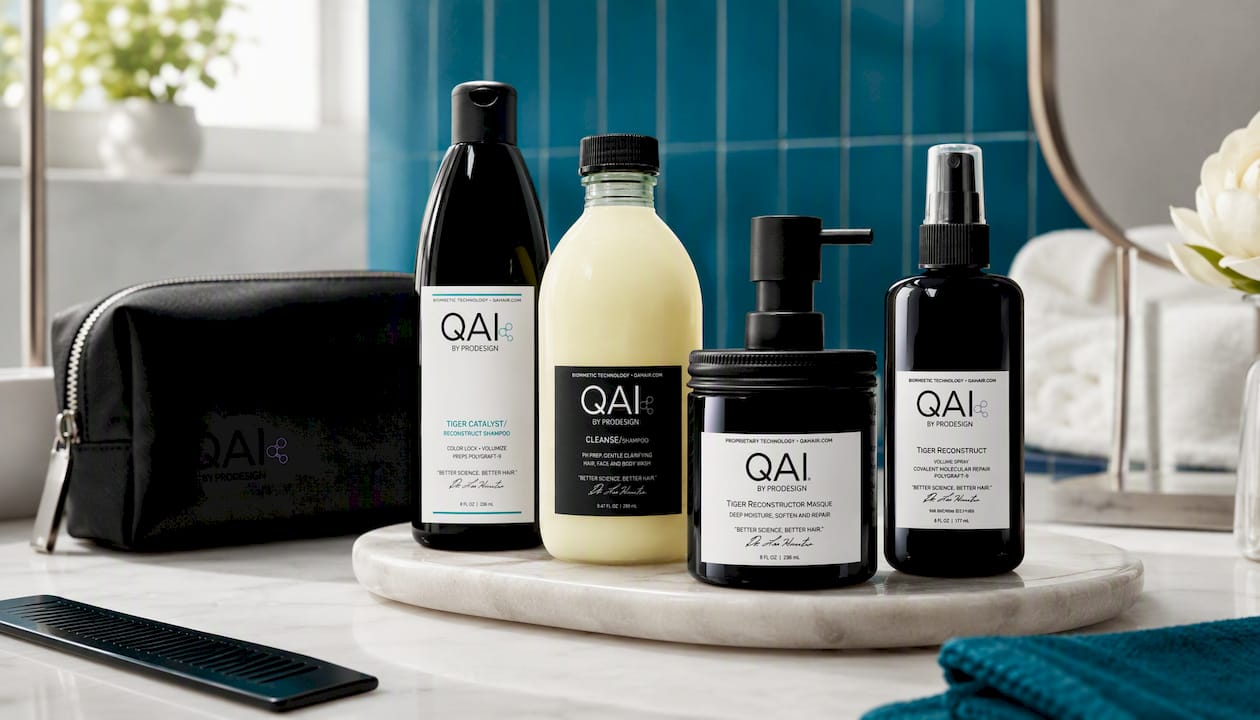
QAI Hair built its system around the PolyGraft-9 Complex, a reactive covalent grafting polypeptide designed to bond directly with damaged sections of the hair cortex rather than sit on the surface like a typical conditioner. For chemically processed or bleached hair specifically, that structural approach matters more than another rinse-out treatment ever could.
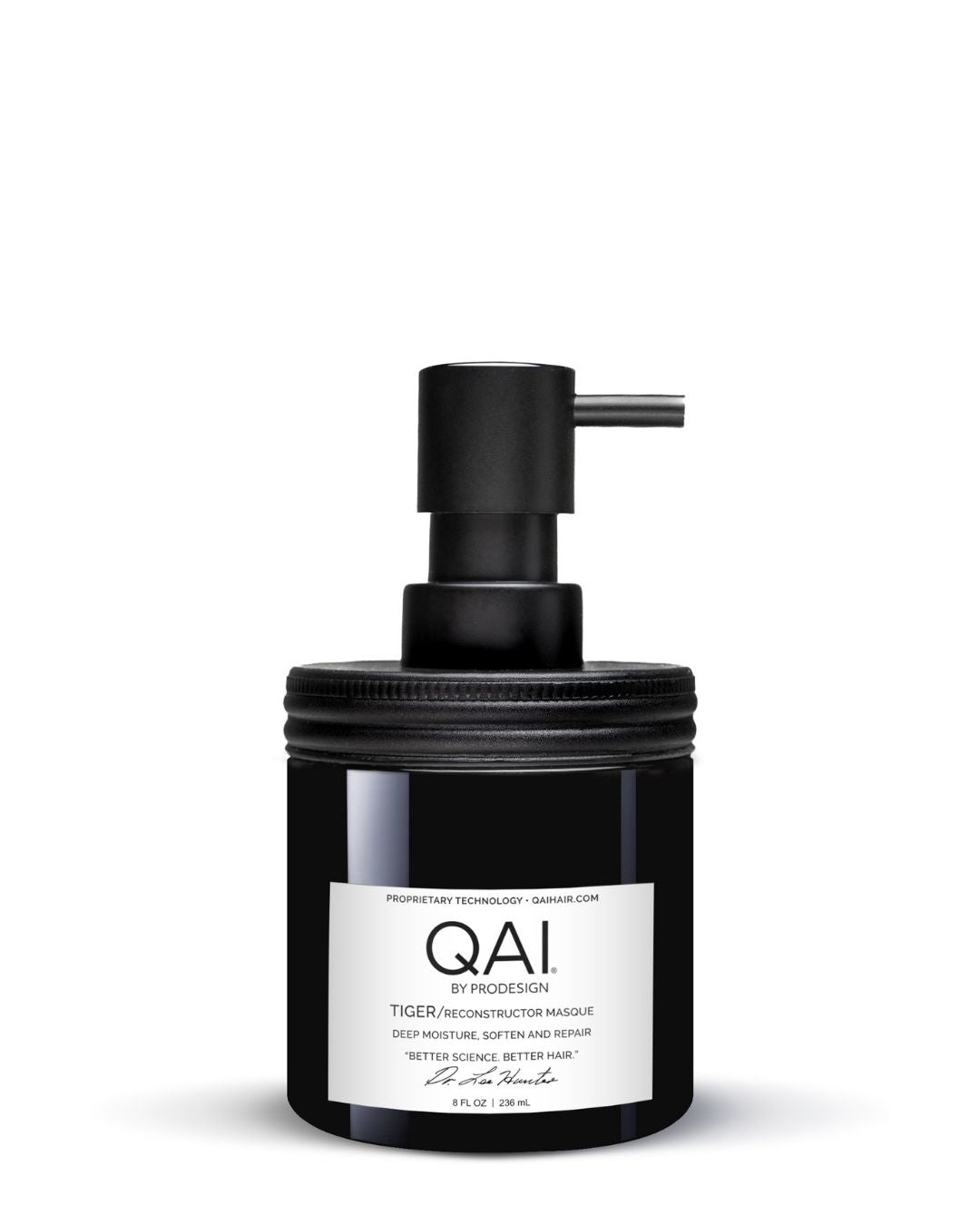
Here’s how the products map to the routine above. For wash day, QAI Tiger Reconstructing Shampoo replaces a standard sulfate shampoo two to three times a week. For your weekly deep treatment, the QAI Tiger Reconstructor Masque delivers the bond-level repair chemically damaged hair needs. Between washes, QAI Tiger Moisture Mist handles daily leave-in moisture. If your hair is bleached or tinted, the Controlled Effects System Tinted/Bleached Formula Bundle is built specifically for that porosity profile.
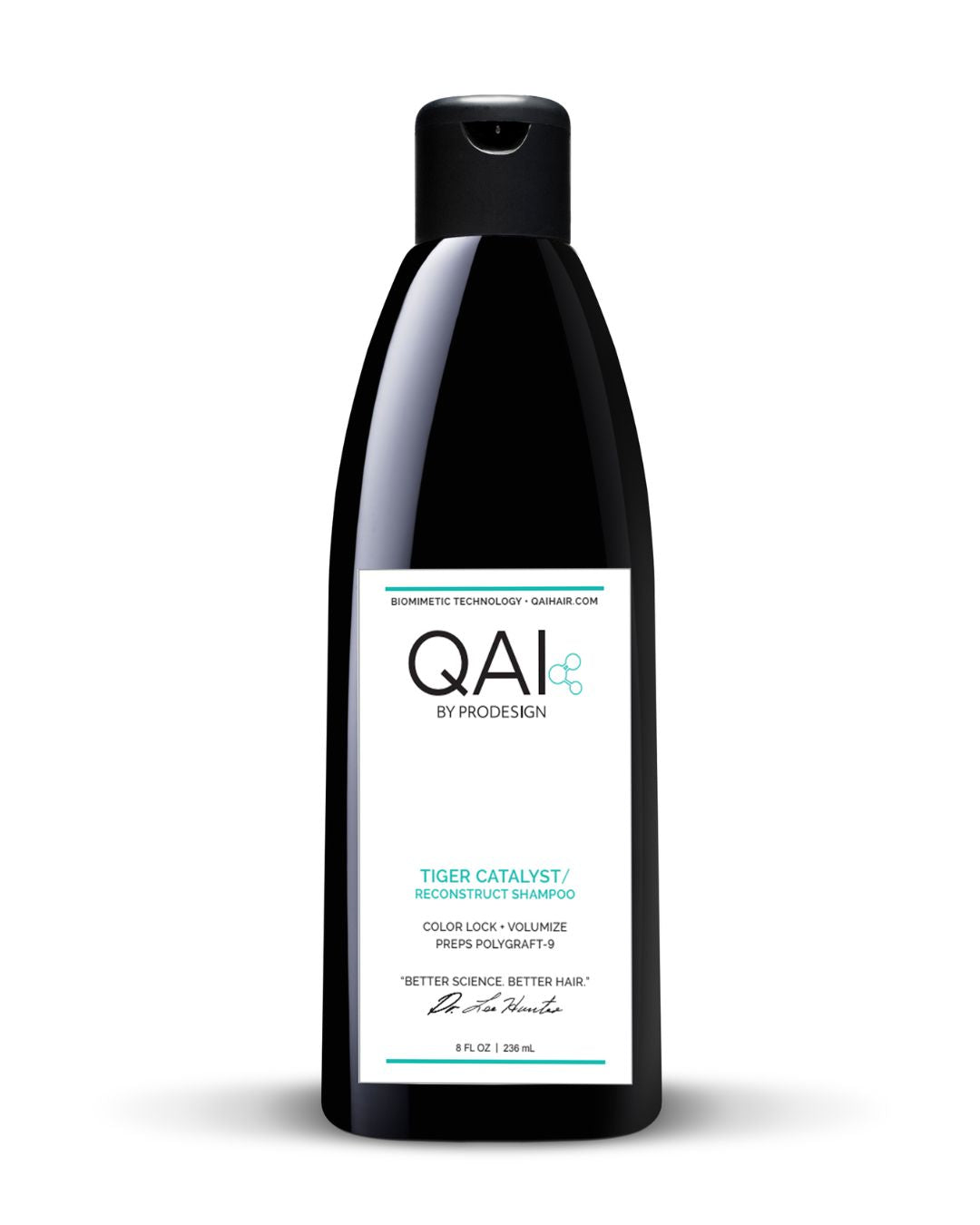
Patch-test any new product on your inner arm 24 hours before full application, particularly if you have sensitive skin. Start with the QAI Tiger Reconstructing Shampoo on your next wash day and build the routine from there.

